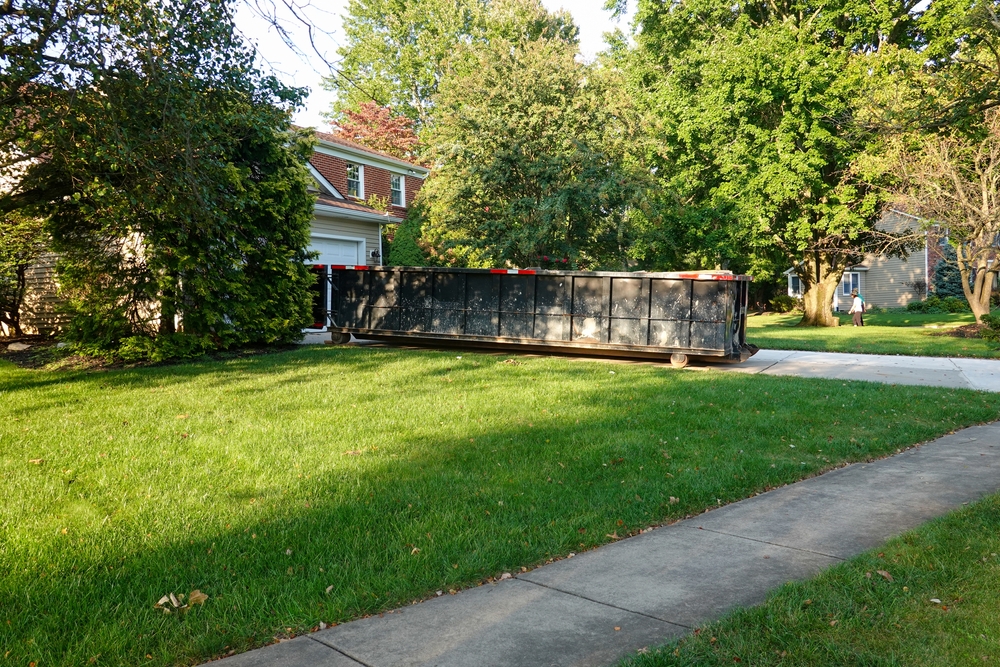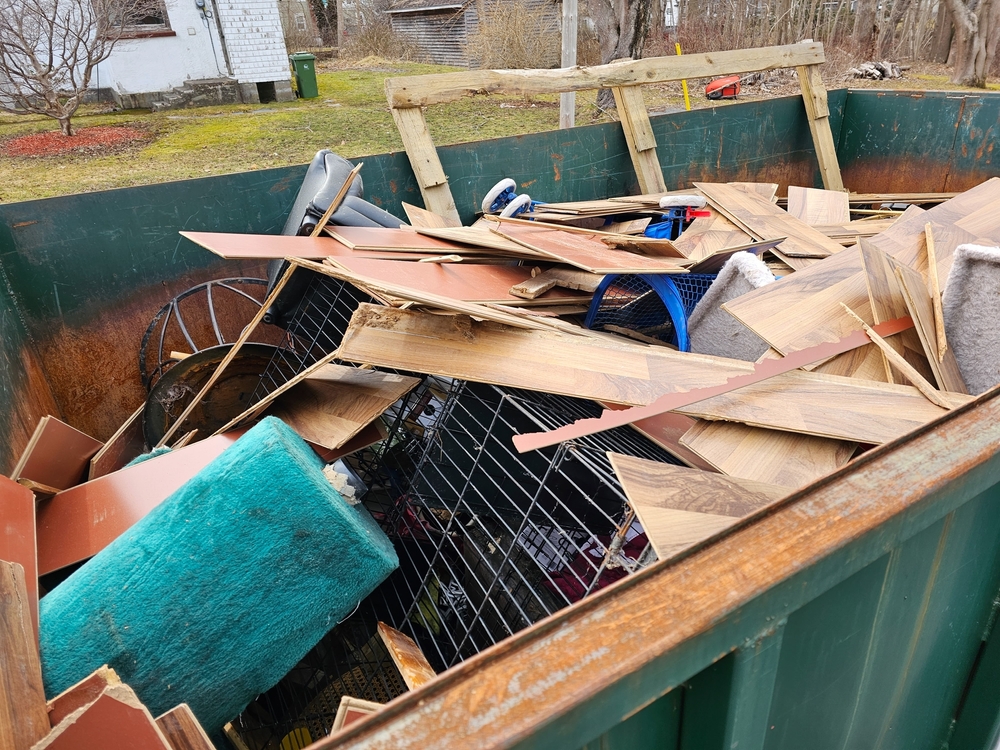
You are dealing with a huge project. Maybe you are doing a major landscape makeover, remodeling your house, or clearing out a property. It seems like the ideal solution to rent a huge metal box to throw everything in, and it usually is. It’s not as easy as you might think to know what can go in a roll-off dumpster, though; there are important guidelines to stick to for both legal and safety reasons.
Ignoring the fundamentals of dumpster rentals may result in extra charges or even refuse pickup from the company. You might wind up with an even bigger headache and a huge mess. By defining what is and is not acceptable, we can ensure that doesn’t happen to you.
The Green Light List: What You Can Absolutely Toss
Let’s start with the simple things. Most of the time, dumpster services come ready to remove your general clutter and trash. Think of any non-toxic materials you might typically find near a home or building site.
General Household Clutter
For the majority of residential projects, this is probably the largest category. Examine your attic, basement, or garage. Unstable bookshelves, boxes of old possessions, clothing you never wear, and old furniture can all be placed in a roll-off container.
The majority of common household items can be disposed of as waste. This includes old documents, toys, dishes, and holiday decorations. One of the most common reasons that people look into dumpster rentals is to get rid of the clutter that builds up over time. If you’re tackling a major decluttering project, choosing a dumpster rental in Statesville, NC, is a convenient way to handle large volumes of household waste quickly and efficiently.
Furniture and Large Items
Do you have a desk with a broken leg or a lumpy couch that has seen better days? For big, heavy furniture, a roll-off dumpster is ideal. In most places, you can throw in mattresses, bed frames, tables, chairs, and sofas without any issues.
Even big things like outdated cabinets and carpeting are acceptable. As we’ll talk about later, exercise caution when using some large appliances. As of right now, you can put the majority of your non-electronic furniture in your temporary dumpster.
Yard Debris (Sometimes)
You can frequently get rid of yard waste in a dumpster if your yard requires significant maintenance. Branches, leaves, grass clippings, and small stumps are examples of such materials. It is significant to note that certain waste management programs compost this material separately, and many cities have regulations regarding this.
Because yard waste is handled differently than regular trash, some businesses might ask you to rent a special dumpster for it. Often referred to as a “clean” load, this can occasionally be less expensive. Before you start throwing green waste in with your household trash, always inquire about the rental company’s green waste policy.
What Can Be Put In a Roll-Off Dumpster from Your Remodel
Cleaning out a room isn’t always the only task involved. The dumpster turns into your most useful tool when working on a construction or remodeling project. Typically, this kind of waste is referred to as construction and demolition debris, or C&D.
Thankfully, roll-off dumpsters are designed to manage this bulky substance. To prevent any problems, it is smart to be aware of the details.
Wood, Drywall, and Flooring
Usually accepted materials include old drywall, scrap lumber, and torn-up vinyl or carpeting. The majority of interior demolition projects involve these materials. The most effective way to get rid of everything at once is with a dumpster.
You can save a lot of room in your dumpster by breaking up long wood planks or large sheets of drywall. By doing this easy step, you may be able to avoid renting a dumpster again. One of the best ways to cut costs on your project is to make the most of your available space.
Roofing Shingles
A significant amount of heavy waste is produced during roof replacement. The majority of roll-off dumpsters can accommodate asphalt shingles. You might need a dumpster of a certain size due to their weight, so be sure to let the company know what you intend to discard.
The weight of an old shingle pile is astounding, and it can easily surpass your weight limit. When it comes to proper disposal, a roll-off container is the ideal instrument. Just be aware of your rental’s weight restrictions.
Concrete, Brick, and Asphalt
Are you destroying a brick patio or an old sidewalk? These bulky materials can be disposed of in a dumpster, but there’s a big catch. Compared to nearly all other types of debris, these materials are extremely dense and heavy.
Due to the substantial weight, businesses frequently need a smaller dumpster designed especially for “clean” asphalt or concrete. This implies that only those materials, and no other trash, can be added. When heavy and light debris are mixed together, it can lead to hazardous weight distribution issues during transportation.
Here is a simple table to show common C&D waste:
| Material | Generally Accepted? | Notes |
| Wood Scraps | Yes | Untreated wood is best. |
| Drywall | Yes | Break it up to save space. |
| Roofing Shingles | Yes | Very heavy; check weight limits. |
| Metal Scraps | Yes | Non-hazardous metals are fine. |
| Concrete/Brick | Yes | Often requires a dedicated dumpster. |
| Siding | Yes | Includes vinyl and aluminum. |
The Red Flag List: Items You Absolutely Cannot Throw Away
Things start to get serious at this point. Not only is it against the law to throw forbidden objects in a dumpster, but it can also be harmful and illegal. The public, sanitation personnel, and the environment are all at risk from these things.
Environmental agencies can charge hefty fines for the disposal of hazardous waste. Take special note of this list of prohibited materials. When in doubt, don’t include it and look for a facility that can get rid of it the right way. Before starting your cleanup, check with your dumpster rental in Connelly Springs, NC, provider to confirm which materials are prohibited and learn about safe disposal options for hazardous waste.
Hazardous Chemicals and Liquids
No hazardous chemicals or liquids are allowed in a dumpster. This covers a wide range of products, including motor oil, antifreeze, flammable liquids, pesticides, and cleaning solvents. These substances pose a long-term environmental risk because they have the potential to leak from the roll-off container and contaminate groundwater.
Toxic materials cannot be handled safely in landfills. Industrial waste and other regulated chemicals are examples of prohibited materials. These items must be taken to a county-designated hazardous waste collection facility.
Paint and Solvents
A big “no” for any dumpster is liquid paint. Because of its chemical makeup, oil-based paint is regarded as hazardous waste. Because it can spill during transportation and create a major mess at the landfill, even liquid latex paint is prohibited.
However, if the latex paint is completely dry, it can usually be disposed of. To expedite the process, you can add cat litter or a paint hardener, or you can leave the lid off the latex paint cans. The empty paint cans may be better off being recycled, but the dried latex paint can be thrown in the dumpster.
Batteries of Any Kind
Lithium-ion, automobile, and even common household alkaline batteries are not suitable for disposal in a dumpster. Car batteries contain corrosive acid and toxic lead. Because they can catch fire, lithium-ion batteries, which are used in power tools, laptops, and phones, pose a serious risk to public safety.
These batteries have the potential to explode or ignite when crushed or punctured in a landfill, resulting in hazardous and challenging-to-extinguish fires. Numerous local recycling facilities, electronic merchants, and auto parts stores offer battery drop-off services. Some of the most hazardous materials to be unlawfully dumped include asbestos barrels, batteries, and chemical products.
Electronics (E-Waste)
Electronic waste, or e-waste, includes outdated printers, TVs, and computers. Heavy metals like lead and mercury can be found in things like motor oil, waste microwaves, monitors, and other electronics. Because of their detrimental effects on the environment, it is illegal in many states to throw them in a dumpster.
Seek out specialized e-waste recycling programs that are capable of safely managing these kinds of materials. These facilities properly dispose of hazardous components, such as the lead found in old monitors, and salvage valuable materials. Working electronics can also be donated to some charities for reuse and refurbishment.
Tires and Propane Tanks
No dumpster company will allow you to throw old tires or propane tanks in with your other trash. Tires are problematic for landfills because they can harbor mosquitoes and trap methane gas. Propane tanks pose a major safety risk because they can explode under pressure, even if you believe they are empty.
When you purchase new tires, the majority of tire shops will accept your old tires in exchange for a nominal fee. Empty propane tanks can frequently be traded in for new ones. Never try to crush or puncture these things yourself.
Asbestos
Once widely used in flooring, siding, and insulation for buildings, asbestos is a very dangerous substance. Its fibers can become airborne when disturbed, and if inhaled, they can cause severe respiratory illnesses. Placing it in any regular roll-off dumpster is strictly prohibited.
You need to work with a certified asbestos abatement specialist if you think your house may contain asbestos. They possess the knowledge and tools necessary to manage and get rid of it in compliance with stringent federal and state laws. Never try to take it off yourself.
The Gray Zone: Items to Ask About First
There are some things for which there is no clear “yes” or “no.” They are in the middle, and the rules are determined by the particular dumpster company or the laws in your service area. You should call and inquire about these items before discarding them.
Appliances
It is perfectly acceptable to place many common appliances, such as washing machines and dishwashers, in a dumpster. However, Freon, a refrigerant found in air conditioners, freezers, and refrigerators, destroys the ozone layer. According to federal law, these appliances cannot be disposed of until the Freon has been removed by a certified technician.
A refrigerator cannot be simply thrown in a dumpster without any planning. First, you need to demonstrate that the Freon was handled and drained correctly, which typically entails obtaining a certificate from the technician who performed the work. Once fully drained, other appliances, such as a hot water heater, can usually be thrown in.
Soil and Dirt
Dirt may seem harmless to you, and it usually is. However, it’s not always enough to fill a dumpster. The primary issue is weight; soil can easily cause you to go over your weight limit because it is extremely heavy, especially when wet.
To make sure the soil is clean, the business must also know where it comes from. It cannot be combined with any dangerous substances or impurities. Any soil/lead paint chips or petroleum-contaminated soil/lead paint from older demolition sites should be avoided.
Contaminated Materials
Speaking of contamination, it is prohibited to use any materials that have been soaked in dangerous substances. This includes lubricating/hydraulic oil cleaning supplies like rags and oil filters. Similarly, any paint chips or materials that are known to contain petroleum-contaminated soil or lead should be avoided.
These things cannot be disposed of in a regular landfill because they need special handling. For advice, get in touch with a nearby hazardous waste facility. There are severe penalties for trying to conceal these items in a dumpster.
A Few Final Tips for a Hassle-Free Rental
A few more pointers can help the process go even more smoothly now that you know what to include and what to exclude. By doing this, you can stay on the good side of your rental company and avoid additional fees.
Respect the Fill Line
A “max fill” line is painted on the side of each dumpster. Don’t fill the dumpster up past this point. Both the driver who must tow it away and other motorists on the road are at risk. Dumpsters that are overloaded present a risk because objects may fly out while being transported. Until you have unloaded the extra material yourself, the driver is legally permitted to decline to pick up an overfilled container.
Distribute Weight Evenly
Make an effort to distribute the weight evenly when filling your dumpster. Heavy objects should be arranged at the bottom and dispersed throughout the floor. As a result, the dumpster is considerably more stable for the truck to lift and move.
In addition to being hazardous to move, an uneven load can harm the truck and the dumpster. When you load, consider how to distribute the weight to avoid major issues later.
When Unsure, Always Ask
Of all the tips, this is the most crucial. Ask the dumpster rental company directly over the phone if there is anything about which you are even remotely doubtful. Since they are the experts, they can clearly respond to your question based on both their own policies and local regulations.
Dealing with fines or a rejected pickup is far more difficult than making a quick phone call. Their objective is to assist you in completing your work in a safe and proper manner.
Make Your Cleanup Easier with Smart Dumpster Use
For a large project, renting a roll-off dumpster can be invaluable, but there are obligations involved. You must pay attention to what you put into it. Separating permissible trash from hazardous and forbidden items is key to remembering what can be placed in a roll-off dumpster.
Keep hazardous materials far away from the container at all times and limit your disposal to furniture, general household waste, and authorized construction debris. It might be necessary to give the rental company a brief call before using certain items, such as soil and appliances. Your cleanup project will be much easier and more successful if you adhere to these rules and communicate clearly. Contact Holmes Disposal today to schedule your roll-off dumpster rental and make your cleanup project fast, safe, and hassle-free.