When a major windstorm or flood hits your property, the aftermath can feel overwhelming. Broken branches scatter across your yard, damaged roofing materials pile up, and water-soaked belongings need immediate attention. Knowing how to handle storm debris safely and efficiently makes recovery much faster and less stressful.
This guide outlines the critical stages of storm cleanup, from securing personal safety to implementing professional disposal strategies. Whether you are dealing with structural failures or organic waste, these best practices, supported by the logistical expertise of Holmes Disposal Inc., will help you restore order to your home.
Phase One: Prioritizing Safety Over Speed
Before moving a single branch, you must conduct a thorough “hazard sweep.” Storm damage often creates structural instabilities and electrical risks that are not immediately visible.
Critical Safety Checkpoints:
- Downed Power Lines: Treat every fallen wire as “live.” Stay at least 30 feet away and notify your utility provider immediately.
- Structural Instability: Check for sagging rooflines, cracked foundations, or leaning chimneys before entering a damaged building.
- Contaminated Water: Floodwater frequently carries raw sewage, chemical runoff, and heavy bacteria. Wear waterproof boots and gloves if you must traverse wet areas.
- Gas Leaks: If you smell “rotten eggs,” leave the area immediately and contact the fire department.
Sorting Storm Debris: What Goes Where
Efficiency in storm recovery depends on organization. Most waste processing facilities require debris to be separated into specific streams. Creating distinct piles on your property prevents cross-contamination and simplifies the loading process for removal teams like Holmes Disposal Inc.
1. Organic and Yard Waste
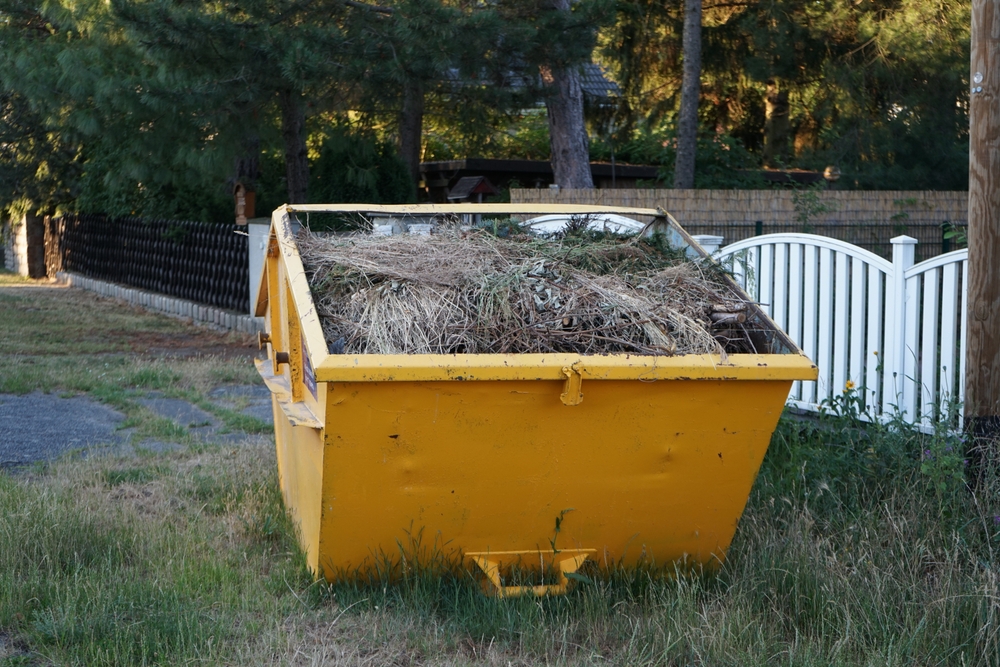
This includes tree limbs, uprooted shrubs, logs, and mulch. While natural, this debris is incredibly bulky. If left in a heap, it can trap moisture against your lawn, killing the grass and attracting wood-boring insects. For massive fallen trees, a specialized dumpster rental in Lincolnton is often the most efficient way to clear the yard in one go.
2. Construction and Demolition (C&D)
This category encompasses “hard” materials like asphalt shingles, siding, bricks, drywall, and glass. These items are heavy and often contain sharp fasteners like nails and screws.
3. Bulky Household Goods
Flood-damaged furniture, saturated carpeting, and ruined appliances (white goods) fall here. These items are prone to rapid mold growth and require swift removal from the interior of the home.
The Special Challenge of Flood-Damaged Materials
Flood debris is unique because it is biologically active. Porous materials act like sponges for contaminants, and mold spores can begin to colonize within 24 to 48 hours.
- The “Cut-Out” Rule: For flooded walls, professionals recommend removing drywall and insulation at least 12 to 24 inches above the visible waterline to account for “wicking.”
- Soft Goods: Mattresses, upholstered sofas, and carpet padding that have touched floodwater are generally considered unsalvageable due to the risk of trapped pathogens.
Tree and Vegetation Debris Management
Large-scale vegetation removal is one of the most labor-intensive parts of storm cleanup. While homeowners can handle small branches, large-diameter trunks require specialized equipment.
When managing tree debris, watch for “spring poles”; branches under intense tension from fallen weight. Cutting these without proper training can result in the branch snapping back with lethal force. If a tree is leaning against a structure or tangled in utility lines, stop immediately and call a professional tree service. Once the trees are cut into manageable sections, Holmes Disposal Inc. can provide the high-capacity containers necessary to haul the massive volume of organic waste away.
Construction Debris from Wind Damage
Windstorms often “shave” the exterior of a home, leaving behind a trail of sharp aluminum siding and abrasive shingles.
- Puncture Prevention: After the large pieces are moved, use a magnetic sweeper across your driveway and lawn. This catches the thousands of roofing nails that inevitably scatter during a wind event.
- Weight Considerations: Construction debris is significantly heavier than yard waste. When preparing for disposal, remember that a pile of shingles may look small but can weigh several tons, requiring heavy-duty disposal solutions.
Why Professional Disposal is Essential
Once the debris is sorted and piled, the logistical challenge of moving it begins. Many homeowners underestimate the number of trips to a local landfill required to clear a storm-ravaged lot.
The Holmes Disposal Inc. Advantage
Partnering with a professional service like Holmes Disposal Inc. transforms a weeks-long ordeal into a streamlined operation. Instead of loading a pickup truck twenty times, you can utilize a single large-scale container.
- On-Site Convenience: A designated container acts as a central collection point, keeping your yard clear and safe.
- Regulatory Compliance: Professional haulers understand which materials are restricted and make sure that your waste reaches the appropriate recycling or disposal facility.
- Expertise in Volume: Whether you are dealing with a few downed trees or a gutted basement, Holmes Disposal Inc. has the expertise to recommend the right container size for your specific storm event.
Securing a reliable dumpster rental in Connelly Springs during the early stages of cleanup allows you to maintain a steady workflow, tossing debris as you find it rather than letting it accumulate into hazardous secondary piles.
What Not to Put in Storm Debris
Certain items are classified as Hazardous Household Waste (HHW) and cannot be tossed into general debris piles. These include:
- Propane tanks and pressurized cylinders.
- Wet-cell batteries (car batteries).
- Paints, solvents, and pool chemicals.
- Electronics (E-waste) containing heavy metals.
Keep these items in a separate, dry area (such as a garage or shed) until you can take them to a designated hazardous waste collection site. Mixing these with regular debris can lead to fines or safety risks for the disposal crew.
Coordinating with Your Insurance
Insurance adjusters are under immense pressure after a major storm. You can help your case by being the most organized person they meet.
- Keep Samples: If you must dispose of high-value items like custom carpeting or designer curtains before the adjuster arrives, cut a small swatch to keep as evidence of quality.
- Expense Tracking: Save every receipt related to debris removal. Many policies include a “Debris Removal” clause that may reimburse you for the cost of professional services.
The Timeline: Why Speed Saves Money
The longer storm debris sits, the more it costs to remediate.
- Days 1-2: Address immediate safety threats and dry out the interior.
- Days 3-5: Sort debris and arrange for a professional container.
- Week 1-2: Complete the bulk of the removal to prevent pest infestations and mold.
Delayed cleanup often leads to “secondary damage,” such as rodents nesting in brush piles or mold rot spreading from damp construction debris into the healthy parts of your home’s framing.
When to Call the Experts
If the volume of debris exceeds your ability to move it safely, or if the waste includes hazardous materials like asbestos siding, it is time to call in the professionals. Holmes Disposal Inc. provides the logistical backbone for major cleanups, allowing you to focus on the emotional and financial aspects of rebuilding.
Professional disposal teams bring the right equipment to handle heavy lifting and high volumes, preventing personal injury and guarantee your property is cleared according to local safety ordinances.
Moving Forward
The transition from “disaster zone” back to “home” begins with the first piece of debris you move. By following a methodical sorting process, prioritizing safety, and utilizing professional services like Holmes Disposal Inc., you can turn a chaotic situation into a manageable project.
Storm recovery is a marathon, but with the right tools and a clear plan, you can clear the path toward a full restoration. Take it one pile at a time, stay safe, and remember that professional help is only a phone call away when the task becomes too large for one person. Contact Holmes Disposal, Inc. today to get started.