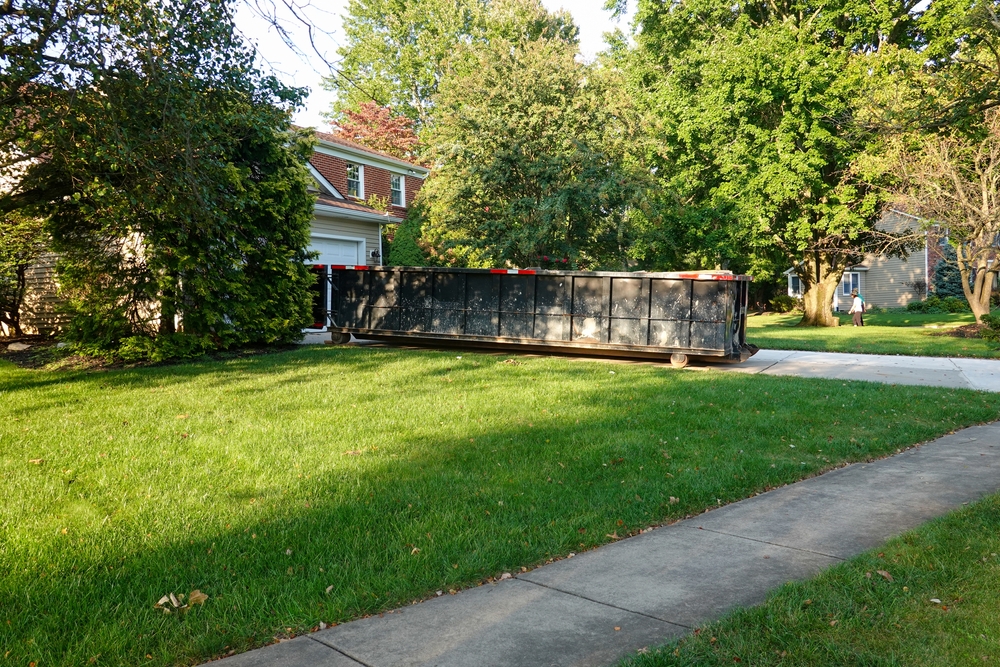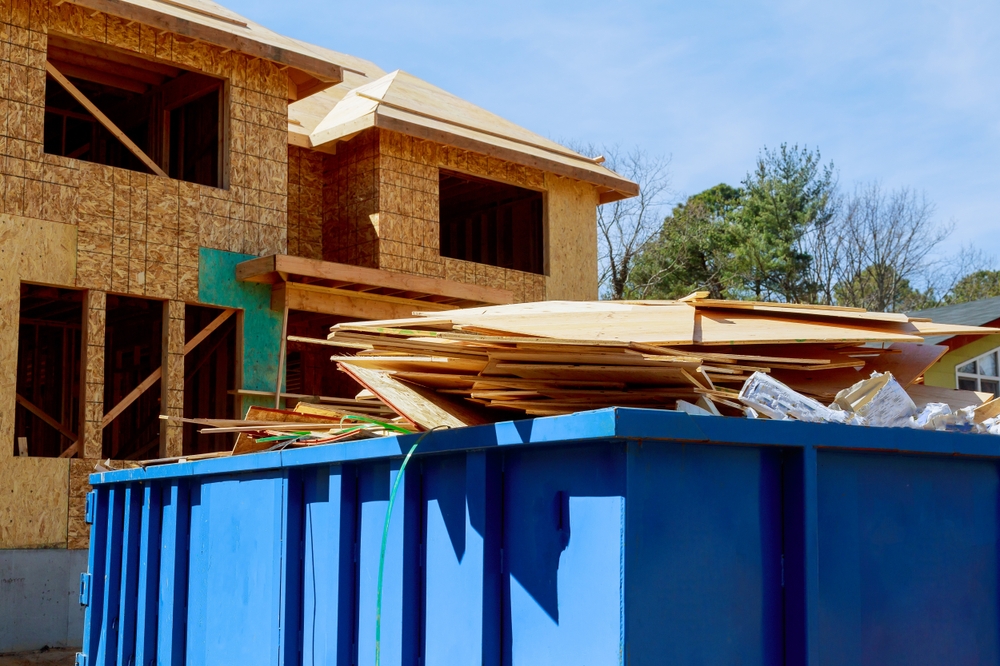
Construction and demolition projects create tons of waste. Between broken concrete, old shingles, wood scraps, and general debris, managing all this material can quickly become expensive and chaotic. Many contractors and homeowners make the mistake of tossing everything into one dumpster, but this approach costs more money than you might think.
The smarter strategy? Separating your materials, especially concrete and shingles, into dedicated dumpsters provided by Holmes Disposal Inc. This simple change can significantly reduce your disposal costs and make your job site more efficient. As waste management experts at Holmes Disposal Inc., we’ve helped thousands of contractors optimize their projects, seeing firsthand how proper debris separation improves both project budgets and site safety.
Understanding Construction Debris Categories
Not all construction waste is the same. Different materials have different weights, recycling potential, and disposal fees. When you mix everything together, you pay premium rates for disposal and miss out on recycling opportunities that could save you hundreds or even thousands of dollars. Holmes Disposal Inc. specializes in identifying these waste streams to maximize your savings.
Construction debris typically falls into three main categories:
- Heavy Materials: Concrete slabs, foundations, asphalt driveways, brick, masonry, stone, tile, and porcelain fixtures. These materials are extremely dense and heavy, meaning they fill up a dumpster’s weight limit long before they fill the physical space.
- Roofing Materials: Asphalt shingles, architectural shingles, roofing felt, underlayment, flashing, and trim. They are moderately heavy and often contain materials that recycling facilities accept separately from mixed waste.
- General Construction Debris: Dimensional lumber, wood scraps, drywall, plaster, metal studs, insulation, cardboard, and packaging. These items take up significantly more physical volume but weigh much less than concrete or shingles.
The weight difference matters because dumpster companies charge based on both the container size and the total weight of your load. When you mix heavy concrete with lighter materials, you hit weight limits while wasting valuable container space.
The Real Cost of Mixing Materials
Throwing everything into one dumpster rental in Vale, NC seems convenient at first, but this convenience comes with hidden costs. Our experience at Holmes Disposal Inc. managing debris for countless construction projects has shown us that mixed loads trigger higher tipping fees at sorting facilities, ruin recycling opportunities for concrete and asphalt, cause expensive weight overage penalties, and waste container space.
We’ve watched contractors lose significant profit margins simply because they didn’t understand how material mixing impacts their bottom line. This problem is completely avoidable with proper planning and the right waste disposal strategy.
Benefits of Dedicated Concrete Dumpsters
Concrete, brick, asphalt, and stone deserve their own container. Holmes Disposal Inc. offers systems that maximize the value you get from every rental. Choosing a dedicated concrete dumpster provides lower disposal rates since clean concrete loads qualify for specialized recycling facility pricing, allows maximum weight efficiency, accelerates facility processing times, and keeps recyclable materials in the circular economy.
A dedicated concrete dumpster lets you maximize container weight capacity without mixing in lighter materials that waste space. Using a 20-yard dumpster engineered for heavy materials allows you to move several tons of concrete efficiently while paying only for what you actually need. Clean concrete moves through recycling facilities without delays or extra sorting costs.
Why Shingles Need Their Own Container
Roofing projects generate massive amounts of shingle waste, with a typical residential roof replacement producing multiple tons of old shingles. Our shingle-specific dumpster service keeps clean shingle loads qualified for reprocessing into road paving and other applications.
When you mix shingles with general construction debris, they become contaminated and lose their recycling value. Nails, wood, and trash mixed in with shingles require extra processing, which increases disposal costs significantly. We design our shingle dumpster service to keep roof tear-offs running smoothly from delivery timing to optimal placement directly below the roofline.
Choosing the Right Dumpster Sizes
Selecting appropriate container sizes for different materials helps you avoid paying for space you don’t need or facing weight penalties from overloading:
- For concrete-only projects: 20-yard heavy-duty dumpsters handle most patio removals, driveway sections, residential foundation work, and moderate commercial concrete demolition. For large-scale demolition, 30-yard heavy-debris dumpsters suit extensive projects when weight allowances are strictly monitored.
- For shingle-only disposal: 20-yard dumpsters handle most residential roof tear-offs and larger home roofing projects, while 30-yard dumpsters work well for commercial roofing jobs.
- For general construction debris: 20-yard dumpsters serve standard residential remodeling, while 30-yard dumpsters suit larger renovations, new construction, or commercial builds.
Matching the container size to your specific project rather than automatically choosing the largest option available is the key to managing costs.
Setting Up an Efficient Job Site and Training Your Crew
Creating separate disposal areas on your job site takes minimal effort but delivers maximum savings. We recommend positioning concrete dumpsters near demolition zones to cut down carrying distance, placing shingle containers directly below roof edges for gravity-assisted loading, and locating general debris bins centrally.
The best waste management plan fails if workers don’t follow it. Using visual guides, color-coded areas, simple explanations of cost savings, and designating team members to monitor dumpsters promotes proper sorting. When workers understand that mixing a single wheelbarrow of concrete into a general debris dumpster impacts project costs, compliance becomes effortless.
Our Approach to Waste Management Partnerships
Not all dumpster companies understand the value of material separation. At Holmes Disposal Inc., we’ve built our business around helping contractors maximize savings through waste stream analysis, direct relationships with regional recycling facilities, and transparent pricing.
When you need a professional dumpster service in Lincolnton, NC, we consult with your team to deliver accurate container sizing, flexible delivery scheduling that matches your project phasing, and clear weight limit guidance. Our goal is to serve as a long-term strategic partner for your job sites rather than just a one-off vendor.
Long-Term Benefits and Making the Switch
Beyond saving money, proper material separation builds a professional image with organized job sites, improves client satisfaction, keeps job sites safer, and simplifies environmental compliance.
Transitioning to dedicated concrete and shingle dumpsters is simple. Holmes Disposal Inc. handles the logistics by assessing your typical projects, designing a custom dumpster plan, running a trial project on a single job, and tracking the results so you can see the cost savings firsthand.
Get Started on Your Next Project
Construction debris management doesn’t have to be complicated or expensive. By dedicating separate dumpsters to concrete and shingles, you tap into recycling opportunities, avoid weight penalties, and reduce overall disposal costs.
We’ve spent years developing systems and partnerships that make material separation simple and profitable for our clients. Contact Holmes Disposal Inc. today to discuss your construction debris needs and discover how smart material separation protects your project budget.