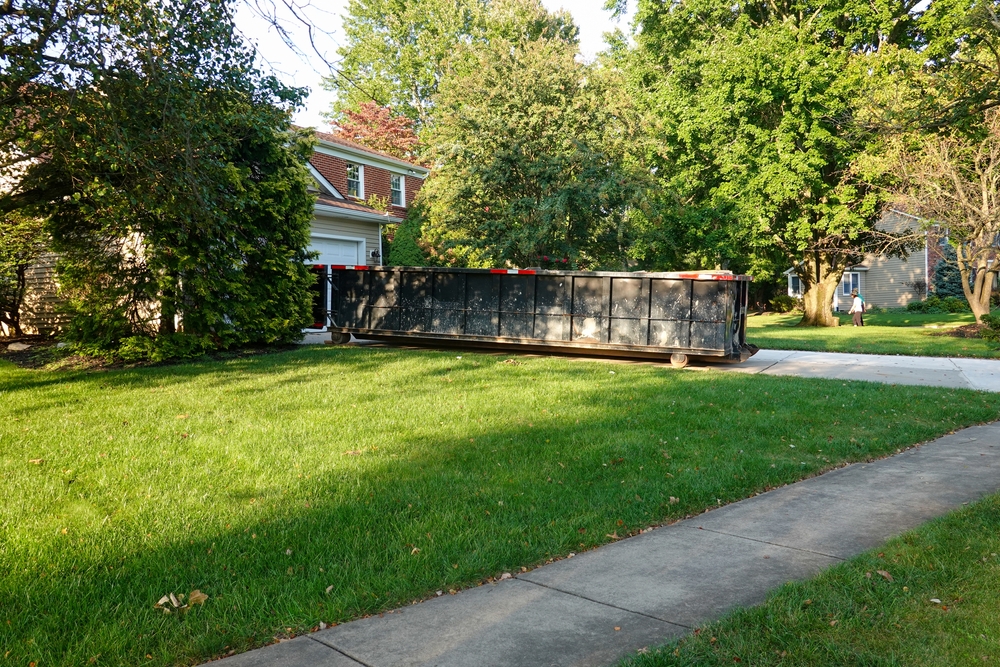
Starting a renovation or building project generates massive amounts of trash, requiring a strategic approach to waste management to keep your site clean. You probably know you need a reliable waste disposal solution, but you must also understand the specific limitations of your equipment. When planning your project, you must ask yourself: “What can I throw in construction dumpster units to avoid unexpected fees and logistical headaches?”
Booking a dumpster rental in Valdese, NC is the short answer to managing this mess, but knowing exactly what goes inside is the key to staying compliant. Proper planning keeps your project on schedule while adhering to all local environmental safety standards and landfill regulations. Throwing the wrong items into your bin leads to rejected pickups, hefty fines, and significant project delays that can ruin your budget.
By following these guidelines, you can streamline your cleanup process and focus on the actual construction work rather than worrying about waste management. Every successful project begins with a clear understanding of how to handle the debris generated during the demolition and building phases. When you partner with experts like Holmes Disposal Inc., you gain access to decades of local expertise that helps you navigate these regulations with ease, making sure your site stays clean and your budget stays intact.
What Structural Items Belong in the Bin?
Are you wondering which structural items belong in the bin during your next major home improvement or commercial building endeavor? Most standard building materials are completely safe for standard debris dumpsters, provided they are not contaminated with hazardous substances like lead or asbestos.
Contractors regularly use a commercial dumpster to clear out large volumes of roofing shingles, scrap metal, and various types of framing lumber. These materials are easily processed at most municipal recycling centers and landfills that handle construction and demolition (C&D) waste.
Common Materials Approved for Standard Disposal:
- Wood: Scraps, framing lumber, and untreated plywood.
- Drywall: Sheetrock and clean gypsum board products.
- Flooring: Ceramic tile, vinyl planks, and laminate.
- Roofing: Asphalt shingles, standard tar paper, and cedar shakes.
- Siding: Vinyl, aluminum, and fiber cement boards.
- Masonry: Brick and block (though weight limits apply).
Sorting your materials at the source can significantly reduce your overall disposal costs. For instance, separating clean wood from painted or treated lumber helps recycling facilities process the waste more efficiently. Furthermore, you should secure proper placement of these materials to maximize the internal volume of your rented container. Taking the time to stack flat items like drywall and plywood can save you from needing to order a second container prematurely.
Heavy Debris and Outdoor Yard Materials
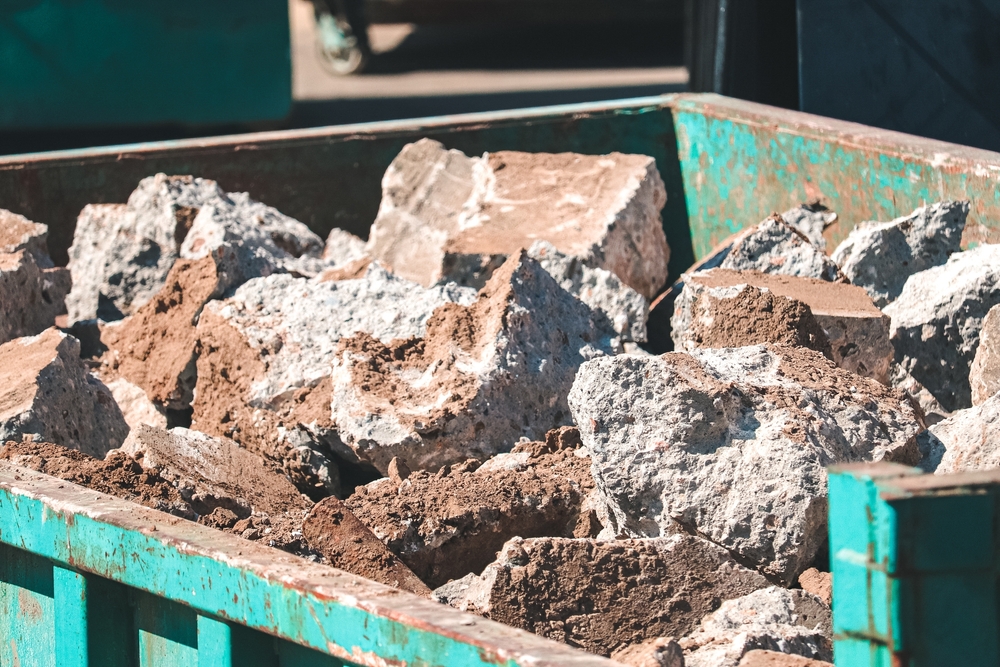
Heavy materials like concrete, brick, and asphalt are generally permitted, though they often require specialized construction debris dumpsters designed for high-density weight. Because these materials are incredibly dense, you must pay close attention to the specific weight limits of your container. Overloading your bin creates a massive safety risk for the driver and will likely trigger additional fees.
Many providers, including the team at Holmes Disposal Inc., offer reinforced containers specifically for “heavy fill” projects. This makes sure the truck can safely lift and transport the load without damaging the equipment or the surrounding pavement.
The “Clean Fill” Strategy
If your project involves only one type of heavy material, like only concrete or only dirt, you might qualify for “clean fill” rates. If you mix these heavy materials with standard trash, you might be charged at a much higher tonnage rate than originally quoted. Always verify the weight capacity of your specific dumpster rentals before you begin loading heavy masonry, soil, or large quantities of gravel.
For landscaping overhauls, a dedicated yard dumpster works perfectly for branches, leaves, and organic waste. However, some facilities require you to separate green waste from standard building materials for composting. Proper segregation of organic and inorganic waste is a hallmark of an environmentally responsible construction site management plan.
Prohibited Items: What Stays Out of the Dumpster?
While roll-off containers handle most building refuse, strict environmental regulations restrict specific items from entering standard landfills. You cannot place any hazardous waste inside your rented container under any circumstances. These regulations protect sanitation workers and prevent toxic chemicals from leaching into the local groundwater supply.
If a prohibited item is found in your load, the entire container may be rejected at the landfill gate. This results in the container being returned to your site, where you must manually remove the offending items yourself.
1. Chemical and Combustible Hazards
Never throw flammable materials or toxic liquids into your bin, as they can ignite or leak during transport. This includes:
- Wet Paint: Latex paint must be dried out with cat litter or sand before disposal.
- Automotive Fluids: Motor oil, antifreeze, and industrial solvents.
- Tanks: Unemptied aerosol cans and propane tanks.
2. Automotive Parts and Batteries
Automotive fluids, tires, and mechanical parts require special handling at dedicated collection centers. Tires represent a major problem for landfills because they trap methane gas and tend to “float” to the surface of the trash heap over time. You should take old tires and car batteries to an auto parts store or a specialized recycling facility.
3. Medical and Toxic Waste
You must treat all medical waste as hazardous. Additionally, regular trash collection services will legally refuse to haul away any container contaminated with asbestos fibers or lead paint. If your renovation involves an older home, you should have the materials tested before you start filling the bin.
Warning: Never attempt to hide prohibited liquids or toxic chemicals at the bottom of your container to avoid detection. Processing facilities weigh and inspect every load, and hidden violations will result in severe financial penalties and potential legal action.
Handling Appliances and Household Items
Many remodeling projects involve clearing out old fixtures alongside structural debris. While you can throw most residential trash and household junk into a residential bin, appliances are more complicated.
The Freon Factor
Most appliances containing refrigerants, like refrigerators, freezers, and air conditioners, are strictly prohibited from landfills without certification. You must hire licensed technicians to drain the freon before a scrap yard will accept these cooling units. Failure to do so can result in significant environmental fines from the EPA.
E-Waste and Electronics
Electronic waste (e-waste) should never be tossed into your rented bin because it contains heavy metals like lead and mercury. Many local electronics retailers offer recycling programs that safely dismantle these devices.
Water Tanks and Furniture
If you are replacing a broken water heater, you generally cannot throw intact tanks into a standard roll-off dumpster without prior approval. Because water tanks and boilers can hold residual pressure, they require specialized recycling. Similarly, while many dumpsters accept furniture, items like mattresses often incur an extra processing charge because they are difficult for landfill equipment to compact.
Strategic Planning for Your Rental
Choosing the correct container requires careful planning. A construction dumpster rental in Statesville, NC offers different capacities compared to residential options, typically ranging from 10 to 40 cubic yards. If you are unsure about the size you need, the experts at Holmes Disposal Inc. can provide a custom recommendation based on your project’s square footage and debris type.
Steps to Secure Your Container:
- Assess Your Volume: Carefully estimate the waste your project will generate.
- Check for Permits: If you plan to place the bin on a public street, your city likely requires a permit.
- Prep the Area: Secure a clear, flat, and accessible drop-off location to prevent damage to your driveway.
Efficiency Tips for Maximizing Your Dumpster Space
Getting the most value from your rental requires strategic loading. Always place heavy items flat on the bottom of the bin. This loading method maximizes your available space and helps you avoid exceeding strict weight allowances. Breaking down large boxes and dismantling furniture will free up valuable room for more debris.
Weather Protection
Protecting your container from heavy rain is a simple way to avoid exceeding weight limits. Water-soaked debris, especially drywall and insulation, becomes incredibly heavy. Consider covering the top of the bin with a large tarp during overnight hours or predicted storms to make sure you stay within the weight parameters of your rental agreement.
Conclusion: A Clearer Path to Completion
Effective waste management is not just about convenience; it is a critical component of professional job site safety and environmental stewardship. When you choose a reputable provider like Holmes Disposal Inc., you aren’t just getting a bin, you’re getting a complete disposal strategy. By educating yourself on accepted and prohibited materials, you avoid the frustration of rejected loads and keep your project moving forward. Contact Holmes Disposal Inc. today so you can focus on the building and let the experts handle the debris.