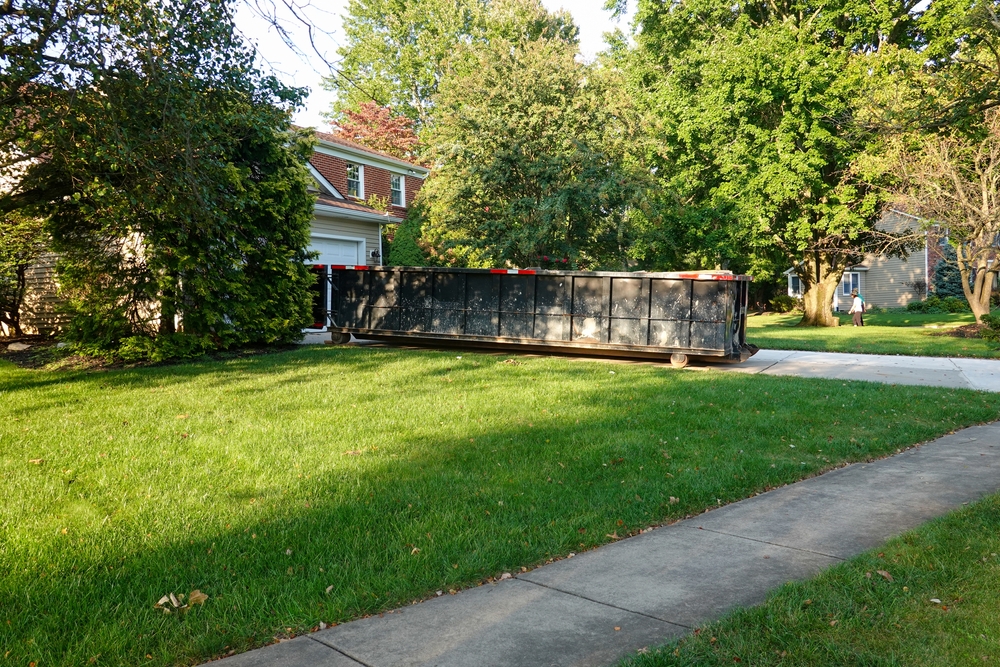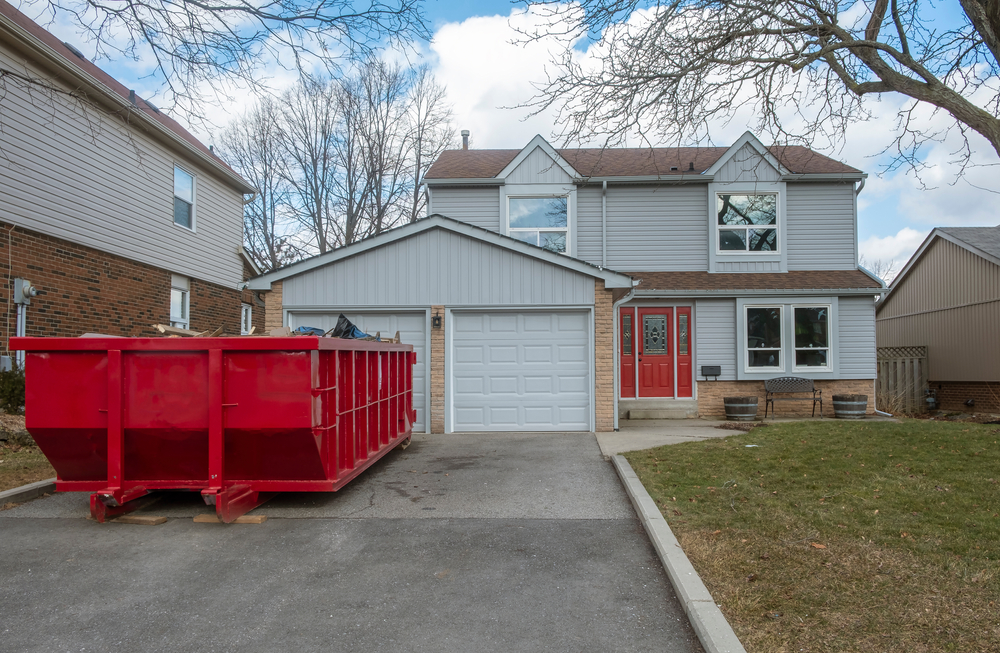
You’ve rented a dumpster for your renovation, cleanup, or construction project. The delivery truck arrives in an hour. You have a split second to decide where it should go. This decision matters more than you realize. Poor placement can damage your driveway, crack your foundation, snap utility lines, or interfere with your daily life for the rental period. Good placement protects your property while keeping the dumpster accessible for efficient work.
Why Dumpster Placement Matters
Most people think dumpster placement is just about finding an open space. When using dumpster rental services in Conover, NC, and beyond, most people assume placement is just about finding an open space, but in reality it affects several important factors.
In reality, placement affects several important factors:
- Driveway and foundation damage from weight and pressure
- Utility line damage from the truck or dumpster position
- Daily property access and convenience
- Neighbor relations and property appearance
- Project efficiency and workflow
- Safety hazards to you and your contractors
A dumpster weighs 1,500 to 3,000 pounds empty. Add a full load of debris and you’re looking at 5,000 to 10,000 pounds sitting in one location for days. That weight concentrated on a small area can crack asphalt, crush gravel, and shift foundation soil.
The delivery truck weighs 25,000 to 35,000 pounds. When it pulls into your driveway or positions the dumpster, that weight transfers to whatever surface it crosses. Soft ground gives way. Thin asphalt cracks. Weak concrete breaks.
Beyond structural concerns, poor placement affects your project. If the dumpster is too far from your work area, crews waste time moving material. If it blocks your driveway, you can’t come and go freely. If it’s too close to the house, people have trouble accessing your entrance.
Identifying Your Best Options
Start by taking a walk around your property to find potential placement sites. The majority of properties offer multiple choices.
The Driveway
Your driveway is the most obvious choice. It’s flat, firm, and close to your house. The truck can easily access it and position the dumpster. But driveway placement has downsides you need to consider.
A dumpster on your driveway blocks vehicle access. You can’t park your car or drive in and out during the rental period. If you have only one driveway, this is a real inconvenience. If you have multiple parking areas, it might be acceptable.
The weight of the dumpster on asphalt can cause damage. Thin or aging asphalt is vulnerable. A full dumpster sitting in one spot for two weeks can crack or crack asphalt, especially during hot weather when asphalt is soft.
Check your driveway condition. Is it solid concrete or older asphalt? Is it in good repair or showing cracks and wear? Poor condition driveways are vulnerable to dumpster damage.
The Yard or Lawn
Placement on grass or soil keeps your driveway clear but creates other issues. Soft ground sinks under dumpster weight. A depression forms where the dumpster sat. In wet conditions, the dumpster sinks further.
The ground also gets compacted. After the dumpster is removed, the area might take months to recover. If you have a small yard, this visible damage matters.
However, yard placement works well if you have space and don’t mind temporary ground damage. Using protective boards underneath (more on this later) mitigates most issues.
Street Parking
If your property borders a street, placing the dumpster on the street might be an option. Check local regulations first. Some municipalities allow it with a permit. Others prohibit dumpsters on streets.
Street placement keeps your driveway and yard clear. But it blocks parking for you and your neighbors. Check if this violates any local parking rules or neighborhood agreements.
Parking Lots or Secondary Spaces
If you have a parking lot, secondary driveway, or side yard with firm ground, these are excellent options. They keep the dumpster out of the way while maintaining property access.
Understanding Dumpster Dimensions and Truck Requirements
Before committing to a location, know the actual space needed. Dumpsters aren’t just the container size. The truck pulling them needs room to maneuver.
A standard 10-yard dumpster is approximately 14 feet long, 8 feet wide, and 4 feet tall. The truck carrying it is about 30 feet long total. It needs clearance space beyond just the dumpster footprint.
The delivery truck needs about 3 feet of clearance on each side. It needs space to lower the container without hitting structures. If trees or buildings encroach, the truck might not be able to position the dumpster.
Ask about minimum space requirements. Our team at Homes Disposal can tell you exactly how much room the truck needs. Better to know this before delivery than have the truck arrive and find positioning impossible.
Using Protective Boards to Prevent Damage
This is the key expert strategy that many property owners don’t know about. Protective boards placed under a dumpster dramatically reduce damage risk. When choosing dumpster rental in Vale, NC, or the surrounding areas, using protective boards under the dumpster is a simple expert strategy that spreads weight more evenly and greatly reduces the risk of surface damage.
Protective boards are thick plywood sheets or composite materials placed directly on your surface before the dumpster sits down. They distribute the dumpster’s weight over a larger area. Rather than 5,000 pounds concentrated on a 8-foot by 4-foot area, the weight spreads across a much larger space. This dramatically reduces pressure and damage risk.
What Type of Protective Boards to Use
3/4-inch plywood sheets work well. They’re affordable and effective. Standard plywood sheets are 4 feet by 8 feet. You’ll typically need 2 to 4 sheets depending on your dumpster size.
Some people use composite ground mats designed specifically for this purpose. These are more expensive but more durable. Composite mats last longer than plywood if you rent dumpsters multiple times.
Railroad ties or landscape timbers can also work. They’re thicker and more durable than plywood but don’t distribute weight as evenly.
How to Position Protective Boards
Lay boards flat directly on your surface (driveway, grass, or soil). Create a rectangular area that extends slightly beyond where the dumpster will sit. Overlap boards slightly so there’s no gap between them.
Create a flat, even surface. If boards are uneven, they can rock or shift under dumpster weight. Use shims or sand to level the surface before laying boards.
The dumpster truck will position the container directly on these boards. The weight of the empty and full dumpster is supported by the board layer rather than directly by your surface.
Benefits of Using Boards
Boards protect asphalt from cracking under concentrated weight. They protect grass and soil from compaction damage. They prevent dumpster feet from sinking into soft ground.
The cost of boards (typically $30 to $100) is far lower than driveway repair. A cracked driveway might cost $500 to $2,000 to fix. Boards pay for themselves many times over.
Boards also allow you to place dumpsters on surfaces that would normally be vulnerable. A dumpster on bare soil with proper boards underneath causes minimal damage.
Checking for Overhead Hazards
Before the delivery truck arrives, check above your placement location for hazards.
Power Lines and Utility Lines
Power lines running above your driveway or yard are serious hazards. The delivery truck can hit them if it’s tall enough. Hitting power lines can electrocute the truck operator and cause major problems.
Walk your property and identify any power lines. Most run from the utility pole to your house at a height of 15 to 20 feet. Check if a tall delivery truck can pass under safely.
Call your utility company if you’re unsure about power line clearance. They can tell you the exact height and whether there’s adequate clearance for your dumpster delivery. This call takes 5 minutes but prevents catastrophic problems.
Telephone and Cable Lines
These are usually lower than power lines, often running at 10 to 15 feet. The dumpster truck itself might not hit them, but make sure you have clearance.
Tree Branches
Low-hanging branches can break when the truck passes under. Some property owners don’t care about branch damage. Others want to protect their trees.
If you have valuable trees with low branches, consider an alternative placement. If branches do get damaged, it’s usually minor limb breaking rather than tree death.
Check for branches directly above where the dumpster will sit. If there are branches close to 4 feet high (the dumpster height), they might interfere with loading and unloading. You want clearance above the dumpster for material being tossed in.
Safety Considerations for Placement
Beyond property damage, placement affects safety.
- Distance From the House
- Keep dumpsters at least 10 feet from the foundation to avoid damage and reduce odors.
- Distance From Utilities
- Avoid placing dumpsters over gas, water, or sewer lines.
- Call 811 to locate underground utilities before placement.
- Slope and Water Flow
- Do not place dumpsters where water collects or flows downhill.
- Choose a dry, well-drained location.
- Neighbor Considerations
- Avoid blocking access or placing dumpsters in highly visible areas.
- Choose a spot that minimizes disruption to neighbors.
Step-by-Step Placement Planning
Use this process to select your dumpster location:
- Walk your entire property and identify all possible placement areas, including driveways, yards, parking areas, and secondary spaces.
- Measure each potential location for width, length, and height clearance, and confirm there is enough space for the dumpster and truck access.
- Check for underground utilities by calling 811 if the placement area has unknown utility locations.
- Look for overhead hazards such as power lines, cable lines, and tree branches, and note their height and clearance.
- Evaluate the surface condition, including whether it is concrete, asphalt, grass, or soil, and assess stability, softness, and existing damage.
- Decide if protective boards are needed and obtain them in advance if required.
- Notify the rental company of your chosen location and confirm the truck can safely access it.
- Prepare the location by clearing obstacles, leveling the ground if needed, and laying protective boards if using them.
Common Placement Mistakes
You can prevent expensive and hazardous situations by learning from common mistakes. Dumpsters placed on weak asphalt or fractured driveways can cause surface damage, and failing to make sure power line clearance poses significant safety issues. Ignoring underground utilities can lead to costly and dangerous line breakage, which is another big worry.
Access and convenience are also impacted by poor placement choices. Dumpsters placed too close to the house might obstruct entrances, cause smell issues, and delay deliveries if the rental business is not informed of the restricted access. While strong protection boards can avoid needless wear, using insufficient protective materials could damage the ground.
Final Preparations Before Delivery
The day of delivery, do a final check:
- Make sure your chosen location is clear of obstacles. Remove any parked cars. Move trash cans, recycling bins, or other items that might be in the way.
- Make sure protective boards are in place if you’re using them. Check that they’re level and properly positioned.
- Mark any underground utilities clearly so the truck driver knows to avoid them.
- Have someone present when the truck arrives. Guide the driver to your chosen location. Make sure the truck can position the dumpster safely.
After the Dumpster Is Placed
Once the dumpster is positioned, maintain the area.
- Check the ground around the dumpster after heavy rain. If water is pooling, create simple drainage with a shovel.
- If you are using protective boards, keep an eye on them. Notify the rental company if they move or settle.
- Keep the area around the dumpster clear. Don’t pile material against it or lean ladders on it.
Dumpster Placement Sets Your Project Up for Success
Your dumpster placement decision happens quickly but affects your entire project duration. Good placement protects your property, keeps your project efficient, and prevents problems. Take time to assess your options. Use protective boards on vulnerable surfaces. Check for hazards. Verify underground utilities. Communicate with your rental company.
These simple steps prevent costly damage and keep your project running smoothly. Your dumpster will be gone in a week or two, but damage from poor placement can last years. Contact Holmes Disposal today to get expert guidance on proper dumpster placement and keep your project on track without costly, long-term damage.