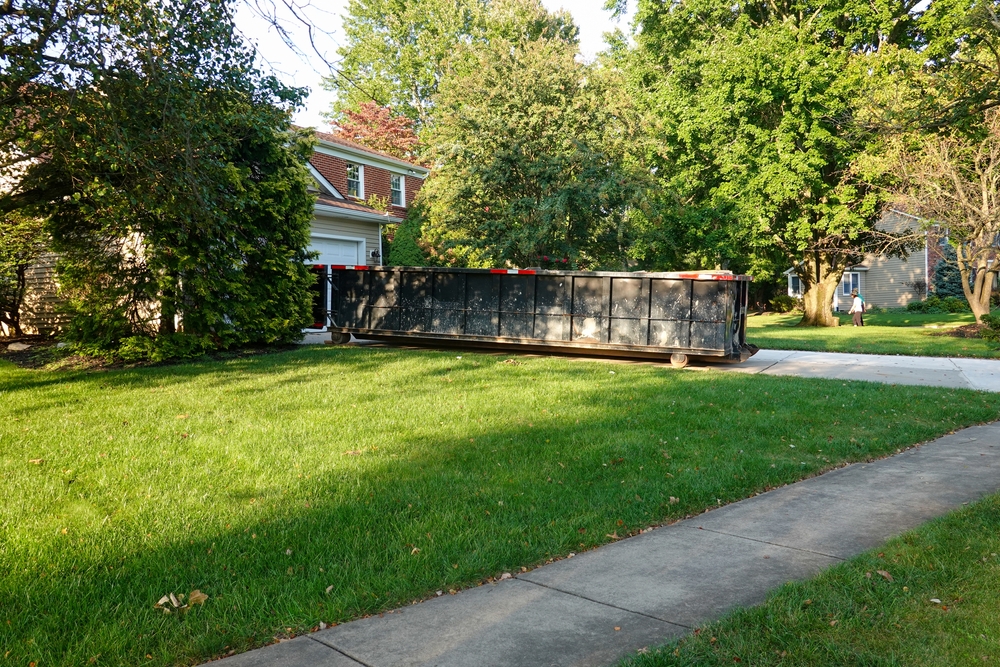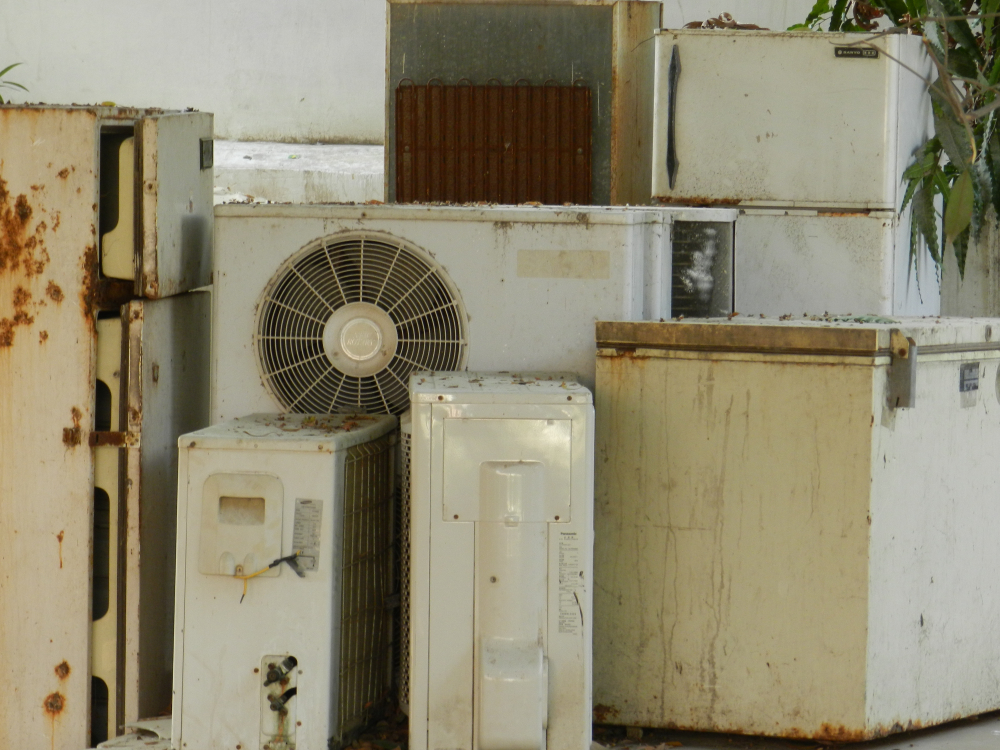
You’re gazing at that ancient mini-fridge from your dorm room. You want it gone, considering that it has seen better days. You wonder if you can put appliances in a dumpster. Although it appears to be a straightforward solution, the answer is a little more nuanced than a simple affirmative or negative. It’s important to understand appliance disposal regulations for environmental, legal, and safety reasons.
The Short Answer Isn’t So Simple
You want the short answer, right? Large appliances typically cannot be disposed of in a regular dumpster. They are strictly prohibited from being accepted by the majority of waste management firms and dumpster rental services. These laws are in place as a result of federal, state, and local waste disposal regulations.
Making room isn’t the only reason to throw a large appliance like a refrigerator or stove in a bin. These restrictions are in place for important safety and environmental reasons. Ignoring them could result in additional fees from the roll-off dumpster rental company or fines from your municipality.
Why You Can’t Just Toss Appliances in a Dumpster
Throwing things away should be simple. However, appliances are very different from ordinary household junk or trash. For a number of reasons, they contain materials that require particular handling.
Hazardous Materials Are a Big Deal
Numerous outdated appliances have environmentally hazardous chemicals and parts. The most common examples are air conditioners and refrigerators, which use refrigerants like Freon. These chemicals have the potential to destroy the ozone layer and cause climate change if they leak from a broken unit in a landfill.
Strict guidelines for handling these substances are set by the U.S. Environmental Protection Agency (EPA). In addition to refrigerants, older microwaves might have capacitors that contain the hazardous polychlorinated biphenyls (PCBs). Mercury, a strong neurotoxin that can contaminate groundwater if not handled properly, is also present in some older thermostats and chest freezers. For this reason, appliances are not allowed to be disposed of with regular garbage. To avoid harming the environment, their electronic components must be disposed of carefully. They pose a major environmental risk when disposed of in a dumpster.
Bulk and Weight Issues
Think about how heavy an oven or washing machine can be; they can easily weigh several hundred pounds. There are weight restrictions on dumpsters, and one big appliance can use up a lot of your allotment. The dumpster rental company may charge you high overweight fees as a result.
In addition to being expensive, a heavy object may be dangerous for the truck to lift and move in a roll-off dumpster. It puts the waste removal workers at risk and severely strains the hydraulic machinery. Waste management companies work to prevent this safety hazard. If you’re tackling a cleanout project and need extra space for heavy household debris, consider a roll-off dumpster rental in Statesville, NC, that can handle bulky waste responsibly.
Local Laws and Landfill Bans
Certain appliances are completely prohibited from landfills in a number of states and localities. These things, which are frequently referred to as “white goods,” are full of valuable metal that can and ought to be recycled. It is a massive waste of natural resources, such as copper, aluminum, and steel, to throw them in a landfill.
Your trash hauler just won’t take them because of these bans. If the business brings prohibited items to the landfill, it may be fined, and you will be charged the full amount. The purpose of these laws is to promote responsible waste management and recycling.
What’s the Right Way to Get Rid of Old Appliances?
You have many other options because large items are not appropriate for a waste dumpster. These disposal techniques will keep you in compliance with local laws and are safer and more environmentally conscious. These are a few of the most effective substitute disposal techniques.
Ask Your Local Waste Service
The city trash service or your local public works department should be the first place you call. Large items like appliances and furniture can be picked up in bulk on designated days in many communities. You may need to leave the item on the curb on a specified day and arrange for a pickup over the phone or online.
Although there is occasionally a small cost for this service, it is frequently the most straightforward and economical method of achieving appropriate disposal. You can usually find all the information you need about your city’s programs by conducting a quick search on their website. They can provide you with detailed instructions on how to get the item ready for their garbage collection service.
Use a Junk Removal Company
A junk removal service is a great option if you need that appliance removed right away. These businesses will visit your house, carry out all the labor-intensive tasks necessary to remove the item, and properly dispose of it. Among the most practical waste management services is this one. Although the convenience of this option is difficult to match, it usually costs more than a city pickup. To make something vanish, simply point at it. They are skilled in managing the hazardous waste and recycling parts of disposing of appliances.
Check Retailer Haul-Away Programs
Are you replacing your old appliance with a new one? When the new appliance is delivered, many retailers will take your old one. Customers can use this service at stores like Lowe’s, Home Depot, and Best Buy.
It fixes your issue right away, but there might be a small fee. The day your brand-new dishwasher arrives, your old one is sent out the door. It is among the simplest methods for managing the switch and getting rid of the outdated device.
Sell or Donate It If It Works
An appliance is not necessarily useless just because you are replacing it. You may be able to sell your old appliance if it is still in good operating order. It can be listed for a fair price on websites like Craigslist and Facebook Marketplace.
Or you could give it away. Working appliances are frequently sought after by local charities, such as Habitat for Humanity, to sell in their stores. In addition to helping a worthy cause in your community, this offers you the possibility of a tax deduction.
Find a Scrap Metal Recycler
What happens if the appliance is worthless and totally broken? If you take it to a scrap metal recycling service, you can still keep it out of the landfill. These establishments frequently compensate you for the appliance’s metal weight.
You might get a few bucks for your trouble, but you won’t get rich. More significantly, before recycling the precious metals, scrap yards are equipped to safely remove hazardous materials. They know how to handle these materials, which are not the same as ordinary industrial waste.
So, When Can You Put Appliances in a Dumpster?
We’ve made it clear that big appliances are not allowed. What about countertop devices and smaller electronics, such as coffee makers, blenders, and toasters? These items occasionally have more flexible rules.
Small Appliances Are Sometimes Okay
Small, non-hazardous appliances may be allowed in the dumpster by certain rental companies. This usually includes items like blenders, toaster ovens, and old mixers that are easy to lift and carry yourself. The important thing is that these products are free of dangerous chemicals that are regulated, like refrigerants.
Recycling these items as e-waste is a far better option for the environment, even if it is permitted. Recoverable electronic materials and components are present in these smaller electronics. Look for drop-off sites or e-waste collection events in your area.
Always, Always Ask First
This rule is the most important one. Give the company a call before you dispose of any appliances, no matter how big or small, in a dumpster rental. A detailed list of what can and cannot be placed in their dumpsters will be supplied.
Following their final rules will help you avoid unforeseen fees or having your entire load rejected. To be sure and avoid any issues, a brief phone call is sufficient. Dumpster regulations for construction waste might differ from those for household trash.
A Quick Guide for Common Appliances
Here’s a quick summary of some of the most popular appliances you may be discarding. You can quickly determine the best disposal path with the help of this table.
| Appliance | Can It Go in a Dumpster? | Better Disposal Option |
| Refrigerator / Freezer | No | City bulk pickup, a scrap recycler that handles refrigerants, or a utility company buy-back program. |
| Microwave | Usually No | E-waste recycling center due to the capacitor, or a donation center if it works. |
| Stove / Oven | No | Junk removal, scrap metal recycler, or donation if in good working condition. |
| Air Conditioner | No | Hazardous waste facility or a scrap yard certified to properly remove Freon. |
| Dishwasher | No | Retailer haul-away with new purchase, city pickup, or scrap metal recycling. |
| Toaster / Blender | Maybe (Ask First) | E-waste recycling event, check local donation rules, or place in regular trash if allowed. |
| Washing Machine / Dryer | No | Scrap metal recycler, junk removal company, or donation to a charity if operational. |
What Other Items Are Banned from Dumpsters?
Special handling is not limited to appliances. Roll-off dumpsters are made for certain kinds of waste, such as general household trash or construction waste. For reasons of safety and the environment, many other common items are forbidden.
- Hazardous Waste: Numerous everyday household items fall under this broad category. Products that are extremely toxic and can contaminate soil and water include pesticides, motor oil, and antifreeze. Oil-based paint and wet paint should never be disposed of in a dumpster; instead, they should be dried out or transported to a hazardous waste facility.
- Tires: Most states prohibit the disposal of entire tires in landfills. They can serve as mosquito and other pest breeding grounds and trap methane gas, which increases the risk of a fire. When you buy new tires, many tire stores will take your old tires for a nominal fee.
- Batteries: Car batteries are particularly dangerous, but all batteries should be recycled. They contain sulfuric acid and lead, both of which are extremely bad for the environment. Old car batteries can be recycled at the majority of auto parts stores.
- Yard Waste: Yard waste should be kept apart from other trash in many municipalities. This makes it possible to compost things like branches, leaves, and grass clippings. Methane, a powerful greenhouse gas, is produced in landfills when they are mixed with ordinary garbage.
- Flammable Liquids: Major fire hazards include things like paint thinner, gasoline, and solvents. Dumpsters are strictly off-limits to them. These should be disposed of specifically at a hazardous waste collection location.
When sorting through materials that can’t go into a standard bin, scheduling a dumpster rental in Lenoir, NC, is a smart way to manage waste while staying compliant with local regulations.
Frequently Asked Questions
Here are answers to a few frequently asked questions about appliances and junk disposal.
What are “white goods” and why are they treated differently?
Large household appliances like water heaters, stoves, refrigerators, and washing machines are referred to as “white goods.” Because they include potentially dangerous parts like mercury switches and refrigerants, as well as significant amounts of recyclable metal, they are handled differently. To recover these resources and safeguard the environment, landfills are prohibited, and special disposal regulations are in place.
What happens if I try to hide an appliance in a dumpster?
Loads are frequently inspected by waste management companies and landfills. Should an appliance or other prohibited item be found, the load might be refused, or you would be subject to heavy fines. Given the potentially significant additional expenses, the risk is not worth it.
Are the rules different for smaller electronics like game consoles or computers?
In fact, these are classified as “e-waste,” or electronic waste. They might not have refrigerants, but they do have heavy metals like cadmium, lead, and mercury on their circuit boards. To safely handle these items, the majority of places have designated e-waste recycling programs or drop-off locations.
Wrapping Up: What to Do With Appliances
Let’s get back to the main question: are appliances safe to dispose of in a dumpster? The answer is unquestionably no for big appliances like washing machines, ovens, and refrigerators. They contain valuable recyclable metals and hazardous materials that should only be handled by professionals. Throwing them in a dumpster can lead to fines and is not good for the environment. Holmes Disposal Inc. offers flexible sizes for dumpster rental in Cherryville, so you only pay for what you need.
The response for smaller appliances is “maybe, but you should inquire first.” Recycling them is always the better option, even in those cases. Thankfully, there are plenty of great options available to you for managing waste responsibly, including scrap recyclers, donation centers, and city pickup programs.
These disposal techniques are better for the environment, safer, and compliant with the law. Some may even help someone in need or put a little money back into your pocket. Selecting the best course of action for your outdated appliance is a tiny step that has a significant impact. Ready to clear out your space the right way? Contact Holmes Disposal today to schedule your dumpster rental and handle your waste responsibly.