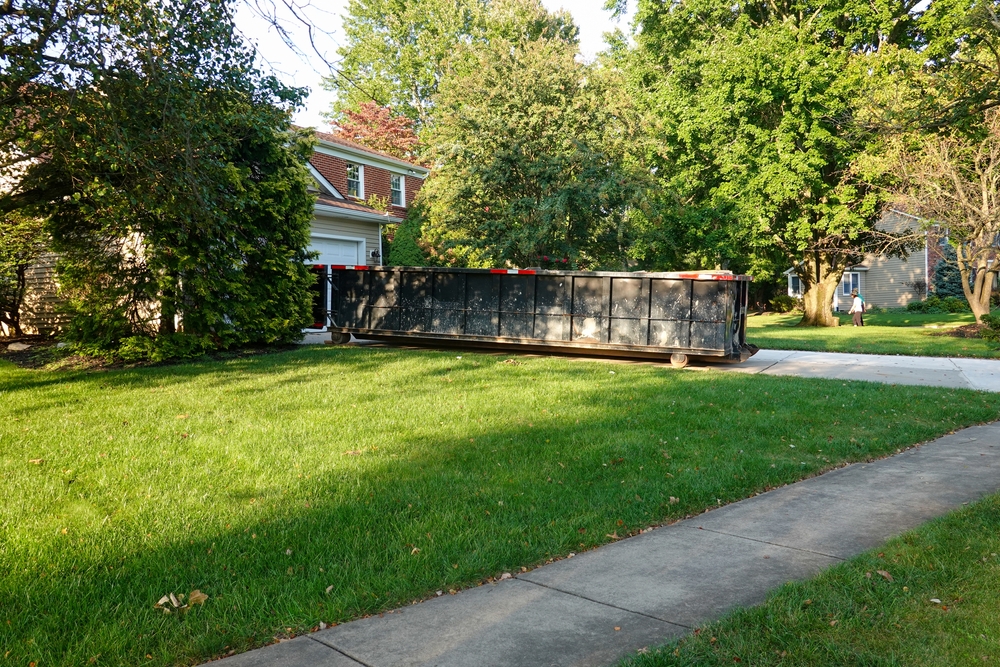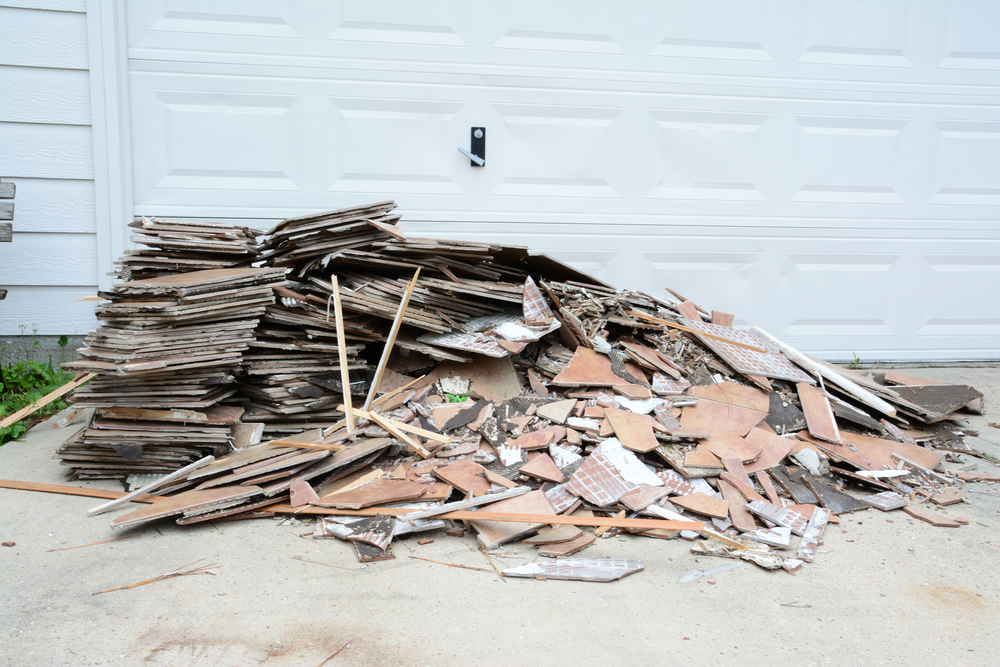
You’re standing there staring at your project. Perhaps you’re going to finally take on that overgrown yard, demolishing a wall, or cleaning out an entire house. You ask yourself, “What size dumpster do I need?” Although it seems like a straightforward question, picking the wrong choice can cost you money and time. In order to have a seamless and effective dumpster rental experience, let’s determine what size dumpster you need.
First, Let’s Talk Cubic Yards
We must discuss how a roll-off dumpster is measured before continuing. Businesses will use phrases like “20 yard” or “30 yard” dumpsters. In this context, “yard” refers to a cubic yard, which is a measurement of the internal volume of the dumpster.
One cubic yard is equivalent to a box that is three feet long, three feet wide, and three feet tall. It’s still a little difficult to imagine, isn’t it? A typical pickup truck bed, which can accommodate roughly 2.5 cubic yards of material, is a better way to illustrate this.
Everything becomes much clearer with this small piece of information. It suddenly makes much more sense to estimate capacity by visualizing full truck beds. The waste removal industry uses cubic yards as a standard unit of measurement to help you match your debris volume to the right container.
Common Dumpster Sizes and What They Hold
The first step in choosing the best size for the job is to get to know the standard dumpster sizes. Each is designed for a project of varying scopes.
20 Yard Dumpster: The All-Around Helper
With good reason, the 20-yard dumpster is the most widely used size. It is great for a wide variety of medium-sized residential and light commercial projects. It’s not so massive that it takes up your entire property, but it can manage a respectable amount of waste.
For major bathroom projects, complete kitchen renovations, or clearing out a garage or basement with a considerable quantity of debris, you should consider this size. It’s also ideal for larger roofing repairs or removing single-layer roof shingles and sheathing. If you are planning a residential cleanout or room remodel, securing trustworthy dumpster rentals in Conover, NC gives you the exact capacity and footprint needed for a smooth cleanup.
This container is a flexible workhorse that has room for roughly eight pickup truck loads of goods. It offers an excellent balance between footprint and capacity, making it the go-to choice for homeowners tackling standard cleanouts or room updates.
30 Yard Dumpster: For Major Jobs
We’re in the big leagues now. For large-scale projects that generate a massive volume of waste and heavy debris, a 30-yard container is appropriate. These are excellent for major home renovations as well as commercial construction or demolition projects. For large home cleanouts or structural remodeling, choosing a dumpster rental in Statesville, NC gives you the space and convenience to handle debris efficiently.
Are you planning a significant multi-room renovation or a structural extension to your house? You will likely need this size. Additionally, it’s utilized for full home siding replacement, garage demolition, and new residential construction. Whole-house cleanouts can easily be completed with a 30-yard dumpster, particularly if you have a lot of accumulated trash, bulky furniture, and structural materials.
The capacity of this particular dumpster is around twelve pickup truck beds. Before ordering your container, make sure you have enough room for it because of its proportions, which require a long, wide driveway or designated dropping area. The height of the walls is a significant variation from smaller containers, as taller side walls are better able to contain large, awkward construction materials.
A Quick Reference Dumpster Size Table
There are times when it is most helpful to have everything laid out clearly. Here is a straightforward chart that allows you to quickly compare the most popular dumpster sizes.
| Dumpster Size | Typical Dimensions Estimated (L x W x H) | Capacity (in pickup loads) | Common Projects |
| 20 Cubic Yards | 22′ long x 8′ wide x 4′ high | ~8 Loads | Kitchen remodels, roof replacement, large basement cleanouts, deck removals |
| 30 Cubic Yards | 22′ long x 8′ wide x 6′ high | ~12 Loads | New construction, major home additions, full house cleanouts, garage teardowns |
So, What Size Dumpster Do I Need For My Project?
It is one thing to be familiar with the standard sizes. It’s another to apply that information to your particular project. To choose the ideal dumpster size for your project, you need to take your specific materials into account.
Thinking About Your Debris Type
What are you throwing away? The kind of project and the density of trash it produces are critical considerations. Although they don’t weigh much compared to masonry, bulky items like broken cabinets, mattresses, or old couches take up a lot of visual volume. Wood, drywall, and general framing materials fill a container quickly due to their shape.
Heavy debris is a completely different matter. Extremely dense materials include asphalt, brick, concrete, and soil. Even in a partially full container, these items can easily surpass dumpster weight limits set by transport regulations and safety guidelines.
Always be specific about what you’re throwing away when you speak to the rental business. They may provide you with a recycling service or specialized heavy-material containers for particular items, as well as distinct regulations regarding hazardous waste. This information avoids unexpected overage costs and helps knowledgeable staff recommend the right fit.
Don’t Underestimate Your Junk
When in doubt, go up a size. You might feel as though you’re spending extra upfront. However, the price difference between dumpster sizes is always far less than the cost of ordering a second dumpster because you ran out of space halfway through demolition.
Almost always, your project will produce more waste than you originally anticipated. Unexpected framing damage, extra layers of flooring, or hidden clutter in closets can build up rapidly. The best thing you can do with your waste removal plan is to give yourself that extra bit of buffer room.
Factors That Change Everything
A few practical considerations can influence your dumpster selection in addition to the size of your trash pile. Ignoring them can cause serious logistical problems later on. It’s important to consider more than just volume.
Weight Limits Are a Big Deal
There is a weight limit on all dumpsters, regardless of size. This represents the maximum weight of debris covered by your base rental fee. You can expect additional fees if you exceed that cap, and those overage costs can mount up quickly. This is why it’s so important to analyze what kind of debris you have before filling the container.
A container filled with old insulation and light furniture will weigh far less than one filled with broken concrete or wet dirt. Prior to renting, ask about the specific weight allowance. A successful rental demands that you plan your project materials with that weight limit in mind.
Where Will You Put It?
The physical area you have available at the delivery location must also be taken into account. A level, sturdy surface is necessary for a roll-off dumpster to rest on safely. Although most homeowners utilize their driveway, you should measure the space beforehand.
Is the slope of your driveway unusually steep? Do you need clearance from overhead tree branches or power lines? For the delivery truck to safely maneuver and drop off the heavy container, it requires adequate ground and air clearance. If you intend to place the dumpster on a public street or curb, you will likely require a permit. Reach out to your local municipal office well in advance, as securing a permit takes time.
Simplifying Your Dumpster Decision
It’s not necessary to rely solely on guesswork when selecting a dumpster size. You can make an informed decision by understanding cubic yards, reviewing standard dumpster dimensions, and evaluating your project critically. When you honestly assess the kind and quantity of debris you have, you can determine “what size dumpster do I need.”
Take into account all the important elements, such as the kind of trash, the scope of the project, physical placement space, and weight restrictions. A simple rule that can save you time and money is to select the next size up when you are genuinely unsure.
By evaluating your waste volume and physical property constraints, you can make sure that your project moves forward smoothly without unexpected delays. Reach out to the knowledgeable staff at Holmes Disposal today to locate the ideal dumpster size and get it delivered to your site on time.